admin
admin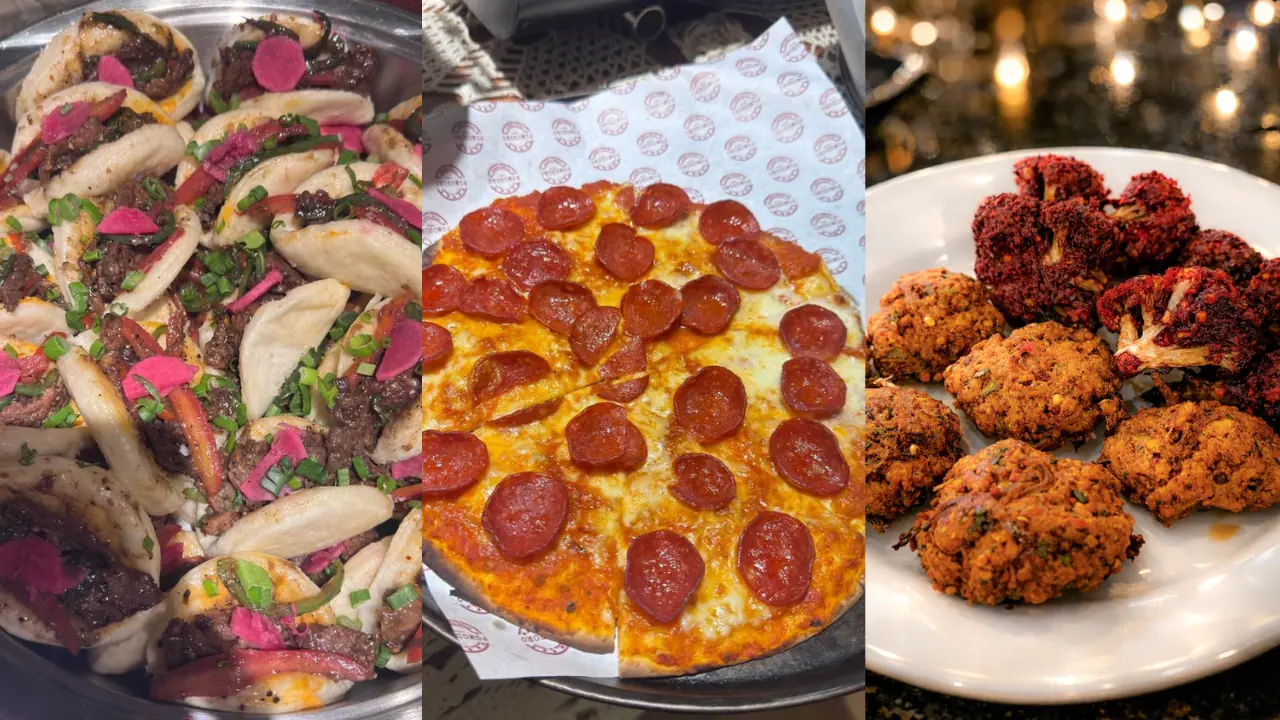
This Ramazan, Islamabadis are having a ball with chilly evenings, 12-hour fasts and innumerable iftar offerings to choose from. Eateries are competing against each other to win over famished residents of the capital with deals ranging from Rs3,000 plus tax to Rs8,000 per head.
But beware of falling into the trap of a hodgepodge of chutneys, an assortment of deep fried pakoras, a variety of juices and a cornucopia of naan all in the name of an all-inclusive buffet. To save you from this fate, I ventured out to try out some of the best iftar offerings in the city.
Chattha’s
My first stop was Chattha’s located in Tariq Market in F-10. Chattha’s, where old school traditions meet new world sensibilities, is an off-shoot of Cheema Chattha, which is a bodega of sorts, that has been selling organic seasonings, spices and all kinds of aromatic herbs for years. It’s a go-to place for those searching for “khalis” flavours in Islamabad.
Waqar Chattha, one of the scions of the family, infused his business skills with his passion for cooking, and carved out an eatery Chattha’s, opening three outlets within a 10-year span. Cognizant of its roots, the eatery prides itself on its 100 per cent organic ingredients.

Although nestled in a corner, the outdoor seating area is spacious enough to serve a lavish spread for more than 100 guests in addition to the rooftop area. While skipping the ever-present fried items, a card bearing the names Gobi 65 and Noodle Pakora caught my attention. “Gobi 65 is a deep-fried cauliflower from the South Indian region served as an appetiser, featuring crispy florets coated in a spicy, flavourful batter of flour, spices and curry leaves,” explained the innovator.

Steamed before frying, the cauliflower’s own taste and presence was very much there in every bite, elevated by the spiced batter. It was both crunchy and nutritious.
The Noodle Pakora turned out to be a rather simple starter. The secret recipe — instant noodles cooked along its masala packet, then dipped into the marinade before being shallow fried. What appeared like small stuffed patty was actually a spicy and flavourful treat. The outer crust was crunchy but once into the mouth, it was the instant noodles that permeated the palate till the end.

The protagonists in the main course section were the Dal Channa and Beef Nihari, both cooked in desi ghee. The lentils in my serving plate did share space with a few peers, such as Mutton Karahi, Tawa Chicken and Fry Kebab Masala, thus leaving not much room for the wholewheat naan to squeeze in. This assembly was copacetic. It was nothing less than a gastronomic juggernaut equipped with several flavour bombs. Silky yet wholesome, one could tell from the very first bite that the desi ghee’s aromatic presence completely hijacked the plate.

It was rich in texture, so the trick was to keep the right balance between the mutton karahi and daal. The Fry Kebab Masala was lost in translation but the Tawa Chicken brought in a new zest.
The iftar is priced at Rs2,900 plus tax with discounts changing for each ashra.
Tiger Temple
In order to detox from fried pakoras and samosas, an essential of any Ramazan spread, a renegade course of action was required. Opting for a Thai iftar at Tiger Temple was a wise decision after days of channa chat and pakora consumption. It was a pleasant sight to see smoke emanating from the entrance where the owner, Sana Nadeem, herself was at the helm of affairs, setting Gai Yang (lemongrass chicken chunks) and Crying Tiger Tenderloins (thai beef strips) to char. My party of two opted for an outdoor table to enjoy the Islamabad breeze and inhale the BBQ smoke wafting through the air.The team at Tiger Temple!

A peek inside the dining area was not only for the stomach but for eyes as well. Vietnamese Vermicelli and creamy Thai Potato in the salad area, Coconut Noc Cham and Tiger Temple Signature Dumplings, Black Pepper Beef Baos and Thai Herb Stuffed Eggs were set out for the first bites to break the fast.

Moving on to the main courses there was Thai Green Curry, Tamarind Fish and Pad Thai Prawn, chaperoned by traditional sauces and herbs. The Khao Suey was a standalone dish, in one corner.

It was a full house with dishes being replenished from time to time, magnetically pulling the guests to line up for more. “We have a capacity of approximately 65 to 67 guests and it may sound like a cliché, but priced at Rs5,500 plus tax for what is on display, the profit margins are not very exciting. However, in hindsight, our regular customers are very happy and our clientele has increased multifold, which is what we are happy about,” said Nadeem.

The Signature Dumplings and Coconut Noc Cham dumplings were poles apart in taste as they both were cooked in different sauces. One is an amalgamation of chilli, citrus, vinegar and garlic, whereas the other is more creamy and subtle. The dumplings were steamed to perfection and the chicken filling was mild but it was not wise to miss the forest for the trees so we strolled and stopped at the main course junction where a treasure trove of Thai culinary delights waiting to be unearthed.